
Ultimate Guide to Bookshelf: Styles & Design Ideas
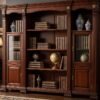
Ultimate Guide to Bookshelf: Styles & Design Ideas
Original price was: $290.00.$270.00Current price is: $270.00.
- Pros and Cons of Popular Bookshelf Models
- IKEA Billy Bookshelf
- West Elm Mid-Century Bookshelf
- Sauder Ladder Bookshelf
Share this:

Description
Ultimate Guide to Bookshelves: Styles & Design Ideas
Imagine stepping into a cozy room where the walls are lined with stories waiting to be discovered, each spine whispering tales of adventure, knowledge, and escape. That’s the magic a well-chosen bookshelf brings to any home. Whether you’re an avid reader with a collection spanning decades or someone just starting to build a personal library, the bookshelf serves as more than mere storage—it’s a centerpiece that reflects your personality and passions. In today’s fast-paced world, where digital devices dominate, there’s something timeless about a physical bookshelf filled with beloved volumes. It transforms ordinary spaces into inviting havens, encouraging moments of reflection and relaxation. From sleek modern designs that blend seamlessly with minimalist decor to rustic wooden pieces evoking warmth and nostalgia, the bookshelf has evolved to meet diverse needs and styles. As we dive deeper into this essential furniture item, we’ll explore everything from selecting the perfect bookshelf for your space to innovative ways to organize and maintain it. By understanding the nuances of what makes a great bookshelf, you can create a setup that’s not only functional but also enhances your daily life, turning your home into a sanctuary of inspiration.
The Evolution of the Bookshelf
The bookshelf has a rich history that dates back centuries, evolving from simple wooden planks to sophisticated pieces of furniture. In ancient times, scrolls were stored in rudimentary shelves, but it wasn’t until the invention of the codex book that the modern bookshelf began to take shape. By the Renaissance, bookshelves became symbols of wealth and intellect, often custom-built for libraries in grand estates. Fast forward to the 19th century, and mass production made the bookshelf accessible to the average household, thanks to innovations in woodworking and design.
Today, the bookshelf continues to adapt to contemporary lifestyles. With the rise of multifunctional furniture, many bookshelves now incorporate elements like built-in lighting or adjustable shelves to accommodate varying book sizes. This evolution reflects societal shifts toward sustainability and personalization—think eco-friendly materials and modular designs that grow with your collection. For homeowners in the USA, where space can be at a premium in urban apartments, a versatile bookshelf offers practical solutions without sacrificing style. You can explore more about historical furniture trends on sites like Smithsonian Magazine, which provides in-depth articles on how everyday items have changed over time.
Understanding this history helps appreciate why a quality bookshelf isn’t just about storage; it’s about preserving cultural heritage in your own space. Whether you’re furnishing a new home or updating an old one, recognizing these developments ensures you choose a bookshelf that stands the test of time.
Why Every Home Needs a Bookshelf
In an era dominated by e-readers and audiobooks, you might wonder if a traditional bookshelf still holds relevance. Absolutely—it does more than house books; it fosters a love for reading and adds character to your living environment. A well-stocked bookshelf can spark conversations during gatherings, showcasing your interests from classic literature to modern self-help guides. For families, it’s an educational tool, encouraging children to explore worlds beyond screens.
Beyond aesthetics, a bookshelf promotes organization and mental clarity. Cluttered spaces lead to stress, but a dedicated bookshelf keeps your reading materials tidy and accessible. In American homes, where open-concept layouts are popular, a strategically placed bookshelf can even serve as a room divider, creating cozy nooks without permanent walls. For more on the psychological benefits of organized spaces, check out Psychology Today’s article on clutter and mental health.
Investing in a bookshelf also supports sustainable practices. By choosing durable models, you reduce the need for frequent replacements, aligning with eco-conscious trends. Ultimately, incorporating a bookshelf into your home setup enhances both functionality and emotional well-being, making it an indispensable element for any household.
Types of Bookshelves for Different Spaces
Bookshelves come in various forms, each suited to specific room dynamics and user needs. Selecting the right type ensures your bookshelf integrates seamlessly while maximizing utility. From compact options for small apartments to expansive units for dedicated libraries, the diversity allows for personalized choices. If you’re browsing options, our bookshelf collection features a range of styles tailored for USA homes.
Wall-Mounted Bookshelves
Wall-mounted bookshelves are ideal for space-savvy homeowners, offering a floating illusion that saves floor space. Popular in urban USA settings like New York lofts, these bookshelves attach directly to walls, providing storage without overwhelming the room. They work well in bedrooms or offices, holding everything from novels to decorative items.
Pros include easy installation and a modern aesthetic that complements contemporary decor. However, cons involve weight limitations—overloading can risk wall damage. Expert tip: Always use stud finders for secure mounting. With proper setup, a wall-mounted bookshelf can transform blank walls into functional art pieces, adding depth and interest to your interiors. For installation guides, refer to Home Depot’s tutorials.
Freestanding Bookshelves
Freestanding bookshelves stand independently, offering flexibility in placement. These are favorites in larger homes across the Midwest, where they can be moved as needed. Materials range from metal to wood, accommodating various styles from industrial to traditional.
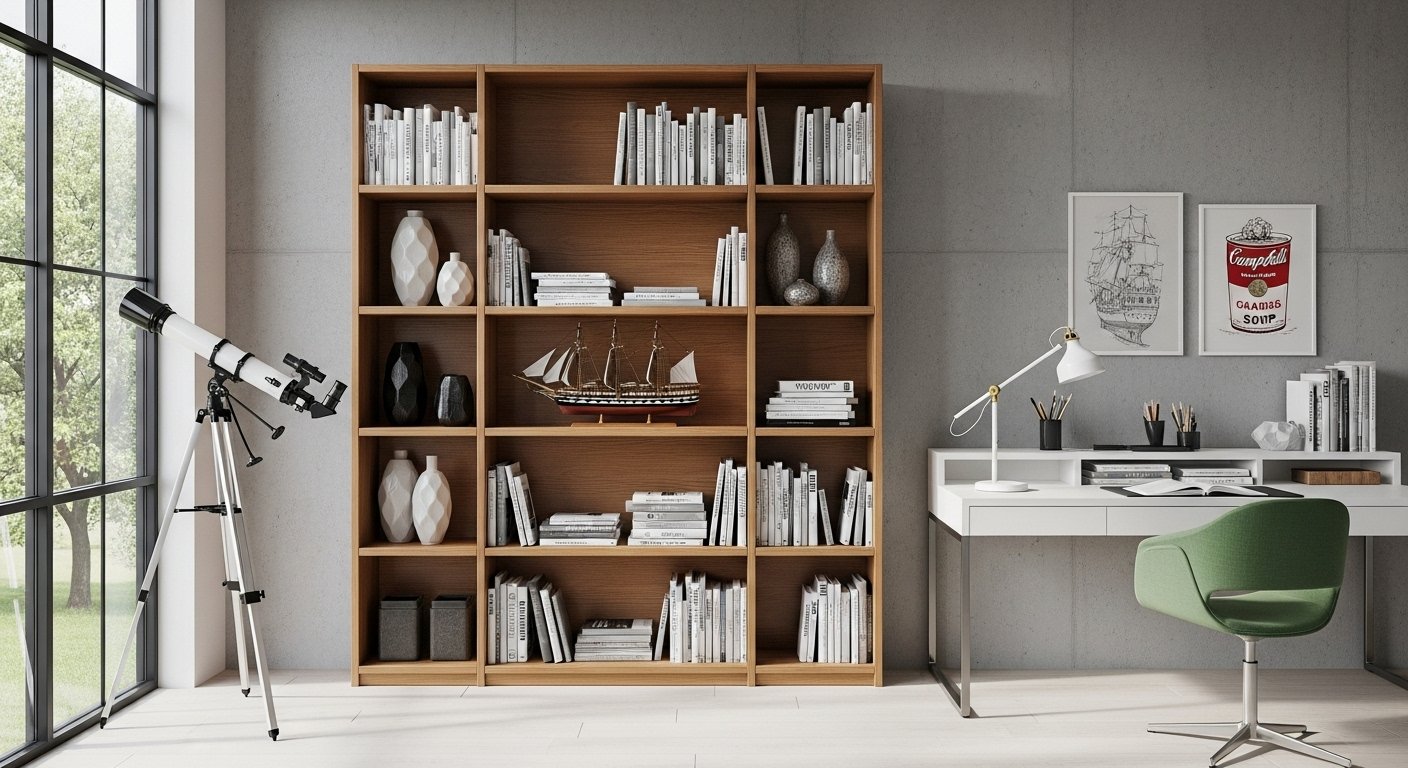
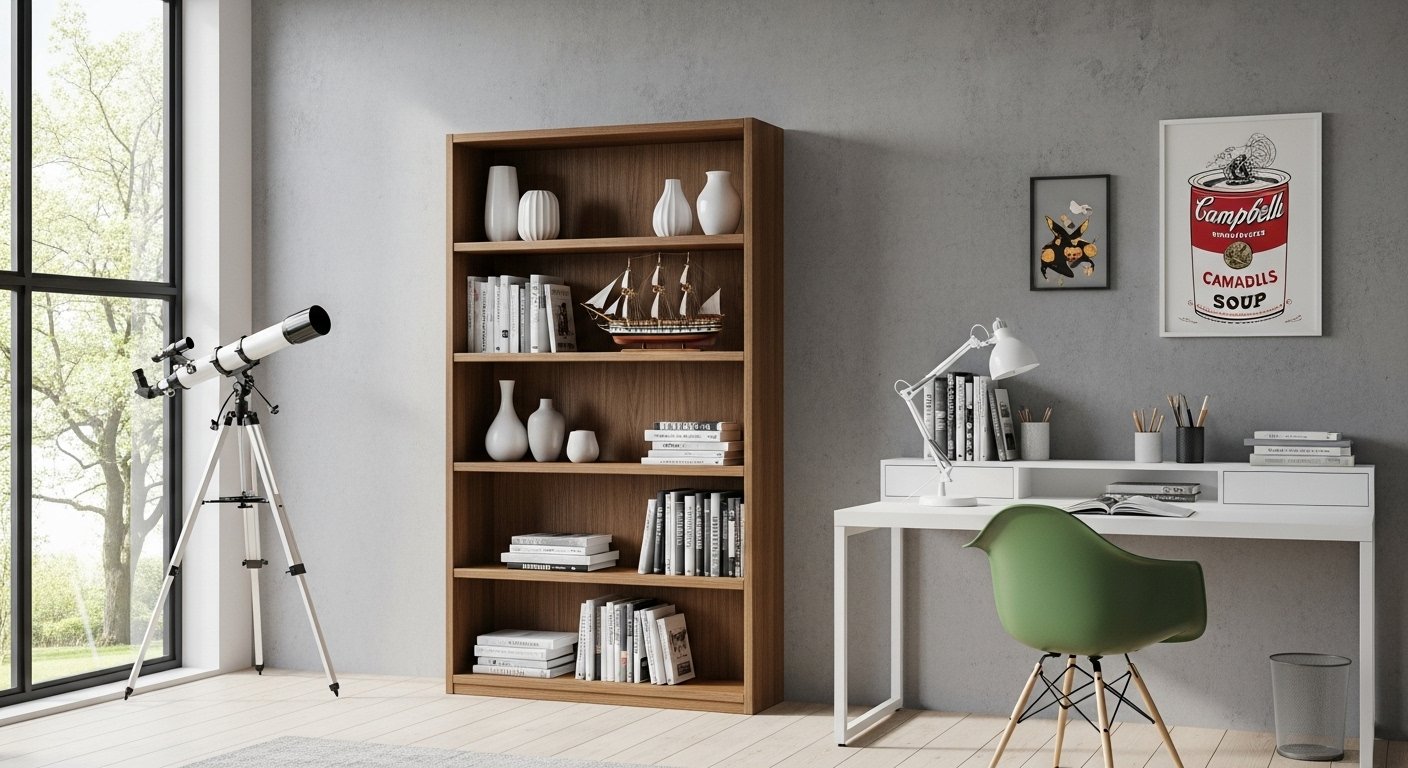
Advantages: High capacity for extensive collections and no installation required. Drawbacks: They occupy floor space, which might not suit tiny apartments. For durability, opt for solid wood models. A freestanding bookshelf not only stores books but also displays photos or plants, enhancing room ambiance. Explore similar options in our freestanding furniture section.
Corner Bookshelves
Corner bookshelves utilize often-wasted space, making them perfect for awkward room layouts common in older USA homes. These triangular designs fit snugly into corners, providing efficient storage without protruding.
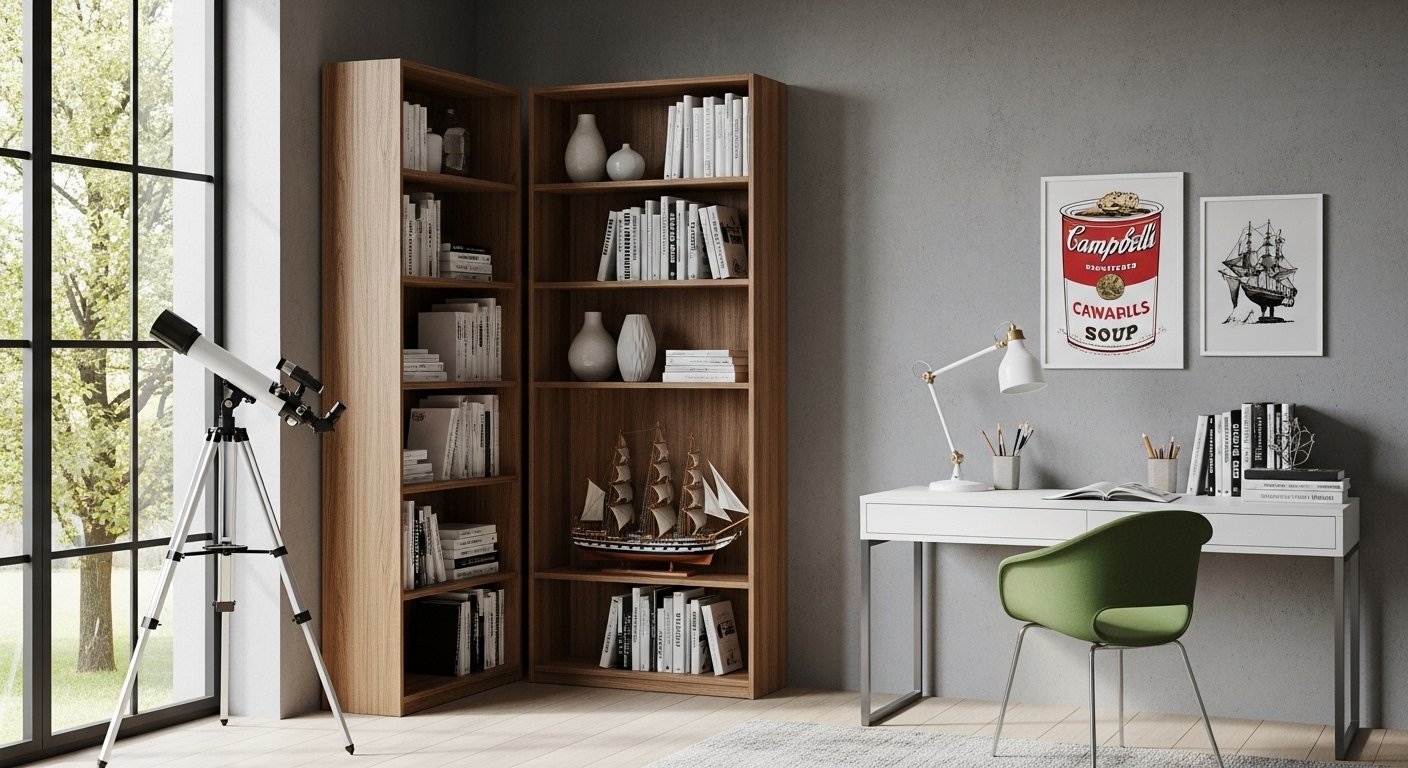
Benefits: Space optimization and a unique visual appeal. Cons: Limited shelf depth might restrict larger books. Experts recommend measuring angles precisely before purchase. Incorporating a corner bookshelf can create a dedicated reading spot, turning neglected areas into productive zones. For design inspiration, visit Wayfair’s corner shelf ideas.
Materials That Make a Durable Bookshelf
The material of your bookshelf significantly impacts its longevity and appearance. Choosing wisely ensures it withstands daily use while matching your decor. Discover durable materials in our materials guide.
Wooden Bookshelves
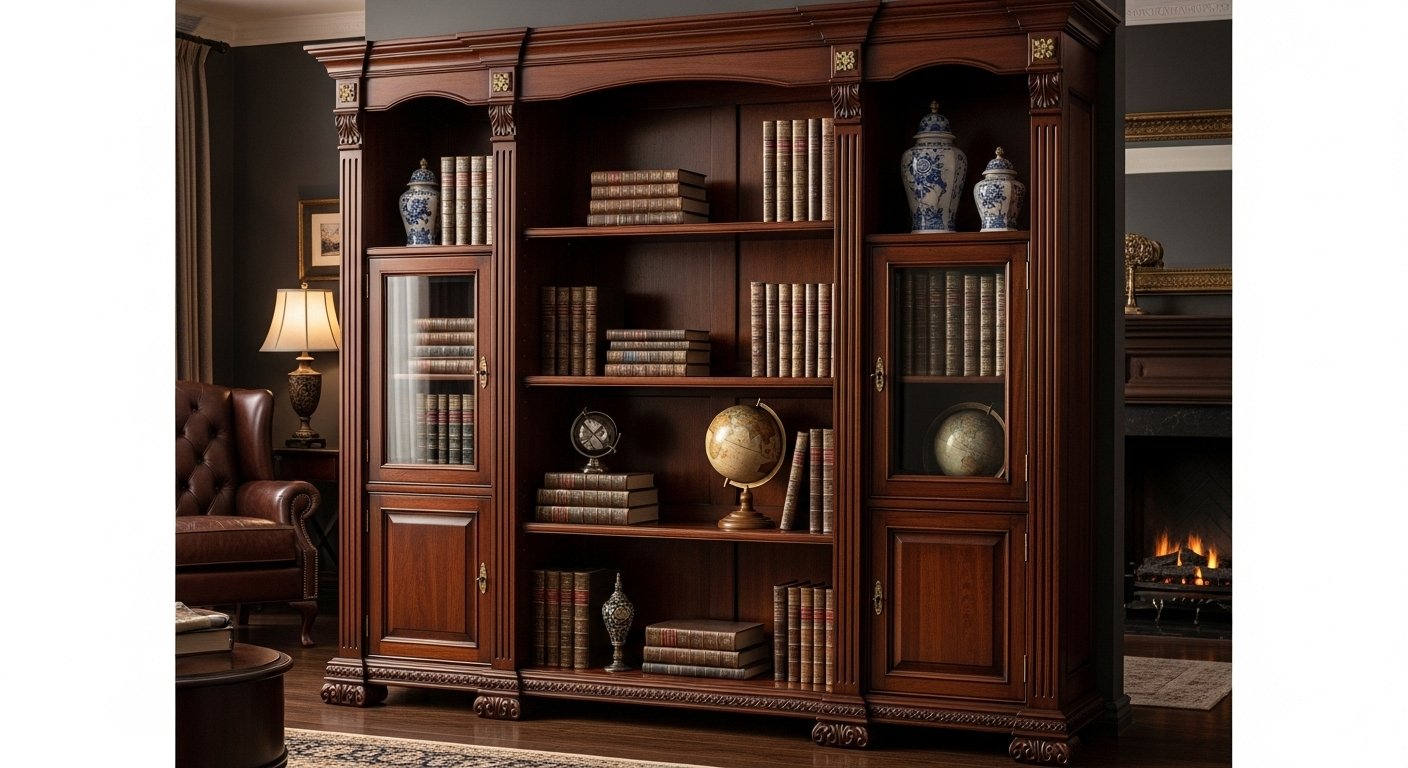
Wooden bookshelves remain timeless, offering warmth and sturdiness. Oak or walnut varieties are popular in American households for their natural grain and resistance to wear. These bookshelves age gracefully, developing patina over time.
Pros: Aesthetic versatility and eco-friendliness if sourced sustainably. Cons: Higher cost and susceptibility to moisture. Maintenance involves regular polishing. A wooden bookshelf brings organic charm, ideal for cozy living rooms. Learn more about sustainable wood from Forest Stewardship Council.
Metal Bookshelves
Metal bookshelves provide an industrial edge, favored in modern lofts. Steel or iron constructions offer exceptional strength, supporting heavy loads without sagging.
Advantages: Affordability and easy cleaning. Drawbacks: Prone to rust in humid climates. Powder-coated finishes mitigate this. For urban dwellers, a metal bookshelf adds a sleek, contemporary vibe. Check out metal options on IKEA’s site.
Glass Bookshelves
Glass bookshelves exude elegance, allowing light to pass through for an airy feel. Tempered glass ensures safety, common in upscale USA interiors.
Benefits: Visual lightness and modern appeal. Cons: Shows dust easily and less sturdy for heavy books. Pair with LED lighting for display. A glass bookshelf highlights collectibles beautifully.
Choosing the Right Size for Your Bookshelf
Size matters when selecting a bookshelf, as it must fit your space and collection without overcrowding. Our size selection tips can help you decide.
Small Bookshelves for Compact Areas
Small bookshelves suit apartments or dorms, typically under 3 feet tall. They hold essentials while maintaining openness.
Pros: Portability and low cost. Cons: Limited capacity. Ideal for beginners building libraries. A small bookshelf can start your collection journey affordably. For small space ideas, see Apartment Therapy’s guide.
Medium Bookshelves for Average Rooms
Medium bookshelves, around 4-6 feet, balance storage and presence. Perfect for family rooms in suburban homes.
Advantages: Versatile organization options. Drawbacks: May require anchoring for stability. Customize with baskets for added functionality. This size bookshelf grows with your needs.
Large Bookshelves for Extensive Collections
Large bookshelves dominate walls, ideal for avid readers with hundreds of books. Common in home libraries.
Benefits: Ample space and statement-making design. Cons: Bulky and hard to move. Ensure floor support. A large bookshelf becomes a focal point, showcasing your literary passion.
Design Styles to Match Your Home Decor
Your bookshelf should harmonize with your overall aesthetic, enhancing rather than clashing. Browse styles in our design catalog.
Modern Minimalist Bookshelves
Modern minimalist bookshelves feature clean lines and neutral tones, popular in coastal USA homes.
Pros: Timeless appeal and space illusion. Cons: Less warmth. Add subtle accents for personality. This style bookshelf promotes serenity. Inspiration from Minimalist Home.
Rustic Farmhouse Bookshelves
Rustic farmhouse bookshelves use reclaimed wood, evoking countryside charm in heartland states.
Advantages: Cozy vibe and durability. Drawbacks: Bulkier footprint. Distress finishes add character. A rustic bookshelf warms up any space.
Industrial Bookshelves
Industrial bookshelves blend metal and wood, suiting urban warehouses.
Benefits: Edgy look and robustness. Cons: Noisy assembly. Exposed hardware adds authenticity. This bookshelf type energizes modern lofts.
Organizing Your Bookshelf Effectively
A disorganized bookshelf defeats its purpose; smart organization maximizes enjoyment. Tips available in our organization blog.
By Genre or Author
Sorting by genre or author on your bookshelf simplifies finding favorites. Alphabetize for efficiency.
This method aids in discovering patterns in your reading habits. For large collections, use dividers. An organized bookshelf encourages more reading. See Goodreads’ tips.
Color-Coded Arrangements
Color-coding your bookshelf creates visual appeal, trending on social media.
Pros: Artistic display. Cons: Harder navigation. Mix with labels for balance. A color-coded bookshelf doubles as decor.
Incorporating Accessories
Accessories like bookends enhance your bookshelf’s functionality and style.
Choose thematic ones to reflect interests. Baskets store smaller items. This elevates your bookshelf from storage to showcase.
DIY Bookshelf Projects for Beginners
Building your own bookshelf can be rewarding and cost-effective. Get started with our DIY resources.
Simple Wooden Crate Bookshelf
Using crates for a bookshelf is beginner-friendly, requiring minimal tools.
Stack and secure for stability. Customize with paint. This DIY bookshelf adds personal touch affordably. Tutorial from DIY Network.
Upcycled Ladder Bookshelf
Transform an old ladder into a bookshelf for a unique piece.
Sand and varnish for safety. Angle for accessibility. An upcycled bookshelf promotes sustainability.
Floating Shelf Bookshelf
Install brackets for a floating bookshelf effect.
Measure levels carefully. This project suits small spaces. A DIY floating bookshelf saves money.
Buying Guide: What to Look for in a Bookshelf
When purchasing, consider key factors for satisfaction. Our buying guide covers essentials.
Budget Considerations
Bookshelves range from $50 to $500+; set a realistic budget.
Cheaper options work for starters, but invest in quality for longevity. A well-budgeted bookshelf lasts years.
Brand Recommendations
Brands like IKEA offer affordable bookshelves, while West Elm provides premium ones.
Research reviews for reliability. American-made options support local economy. Choose a reputable brand for your bookshelf. Visit Consumer Reports for reviews.
Warranty and Assembly
Check warranties; easy assembly is crucial.
Pre-assembled bookshelves save time. This ensures hassle-free integration.
Pros and Cons of Popular Bookshelf Models
In-depth analysis helps informed decisions.
IKEA Billy Bookshelf
The Billy bookshelf is versatile and expandable.
Pros: Affordable, customizable. Cons: Particleboard may sag. Ideal for casual users. Details on IKEA’s product page.
West Elm Mid-Century Bookshelf
This bookshelf offers premium wood construction.
Advantages: Stylish, durable. Drawbacks: Higher price. Suited for design enthusiasts. See West Elm.
Sauder Ladder Bookshelf
A budget ladder bookshelf with modern flair.
Benefits: Space-saving. Cons: Limited weight capacity. Great for small homes.
Maintaining Your Bookshelf for Longevity
Proper care extends your bookshelf’s life. Maintenance advice in our care section.
Cleaning Tips
Dust regularly; use appropriate cleaners for materials.
Avoid abrasives on wood. A clean bookshelf looks inviting. Tips from Bob Vila.
Preventing Damage
Anchor to walls; control humidity.
This prevents tipping or warping. Safe maintenance protects your investment.
Repairing Common Issues
Fix sagging shelves with reinforcements.
DIY kits help. Timely repairs keep your bookshelf functional.
Bookshelves in Home Office Setups
In remote work eras, a bookshelf enhances productivity. Office ideas at office furniture.
Ergonomic Placement
Position your bookshelf within reach for quick access.
This reduces distractions. An office bookshelf organizes references efficiently.
Integrating Tech
Add charging stations to your bookshelf.
Blend books with devices. This modernizes your workspace.
Bookshelves for Children’s Rooms
Kid-friendly bookshelves encourage early reading. Explore kids’ collection.
Low-Height Designs
Accessible bookshelves prevent accidents.
Bright colors engage kids. A child’s bookshelf fosters independence.
Educational Organization
Group by age level on the bookshelf.
Rotate books for variety. This supports learning.
Eco-Friendly Bookshelf Options
Sustainability matters in furniture choices. Our eco options.
Recycled Material Bookshelves
Bookshelves from recycled plastics reduce waste.
Pros: Environmentally sound. Cons: Varied aesthetics. Eco choices benefit the planet. Info from Green Matters.
Bamboo Bookshelves
Bamboo grows quickly, making sustainable bookshelves.
Advantages: Lightweight, renewable. This option appeals to green consumers.
Custom Bookshelves: Worth the Investment?
Custom designs tailor to your exact needs. Inquire about custom services.
Design Process
Collaborate with craftsmen for your ideal bookshelf.
Measure spaces accurately. Customization ensures perfect fit.
Cost vs. Value
Higher upfront cost, but long-term value.
A custom bookshelf adds home equity.
Bookshelves as Room Dividers
Use bookshelves to zone open spaces.
Open-Back Designs
Allow light flow through the bookshelf.
This creates separation without isolation.
Stability Concerns
Secure properly for safety.
A divider bookshelf multifunctionalizes rooms.
Seasonal Decorating with Your Bookshelf
Refresh your bookshelf for holidays.
Fall Themes
Add pumpkins and warm-toned books.
This seasonal bookshelf boosts coziness.
Holiday Displays
Incorporate lights and ornaments.
A festive bookshelf spreads cheer.
The Role of Bookshelves in Minimalism
Minimalists appreciate streamlined bookshelves.
Decluttering Tips
Curate your collection on the bookshelf.
Less is more for focus.
Aesthetic Integration
Choose subtle designs.
A minimalist bookshelf promotes calm.
Bookshelves for Collectors
Specialized bookshelves for rare items.
Display Cases
Glass-front bookshelves protect valuables.
This showcases collections elegantly.
Climate Control
Humidity-controlled bookshelves preserve books.
Essential for collectors.
Integrating Lighting into Your Bookshelf
Lighting enhances visibility and ambiance.
LED Strip Options
Energy-efficient for your bookshelf.
Highlight favorites dramatically. Ideas from Architectural Digest.
Battery-Powered Lights
Cordless convenience.
Illuminated bookshelves invite reading.
Bookshelf Safety for Families
Prioritize safety features.
Anti-Tip Kits
Essential for any bookshelf.
Prevents accidents with kids or pets. Guidance from CPSC.
Childproofing Edges
Round corners on bookshelves.
Family-friendly designs matter.
Reselling or Donating Old Bookshelves
When upgrading, responsibly dispose.
Valuation Tips
Assess condition of your bookshelf.
Online marketplaces help.
Charitable Options
Donate functional bookshelves.
This extends their life cycle. Options like Habitat for Humanity.
Future Trends in Bookshelf Design
Innovations shape tomorrow’s bookshelves.
Smart Bookshelves
Integrated tech like app controls.
This evolves the traditional bookshelf. Trends from Dezeen.
Modular Systems
Adaptable to changing needs.
Future-proof your bookshelf choice.
Bookshelf Accessories to Enhance Functionality
Add-ons maximize utility.
Bookends and Dividers
Organize sections on your bookshelf.
Stylish and practical.
Storage Bins
For non-book items.
Versatile bookshelf use.
In conclusion, the bookshelf remains an enduring staple in American homes, blending functionality with personal expression. From its historical roots to modern innovations, a thoughtfully selected bookshelf not only organizes your literary treasures but also elevates your living spaces. Whether opting for DIY projects, eco-friendly materials, or custom designs, the key is choosing a bookshelf that aligns with your lifestyle and needs. By maintaining it well and organizing creatively, your bookshelf can become a source of daily joy and inspiration. Embrace the versatility of the bookshelf—it’s more than furniture; it’s a gateway to endless stories and ideas that enrich your world. For more furniture ideas, visit our home page.
Discover more from mzeefurnitureusa | Affordable Home Furniture and Home Goods
Subscribe to get the latest posts sent to your email.
Additional information
| Polish / Finish | Black, Chalk Finish, Golden, Gray, White |
|---|
Reviews
There are no reviews yet.